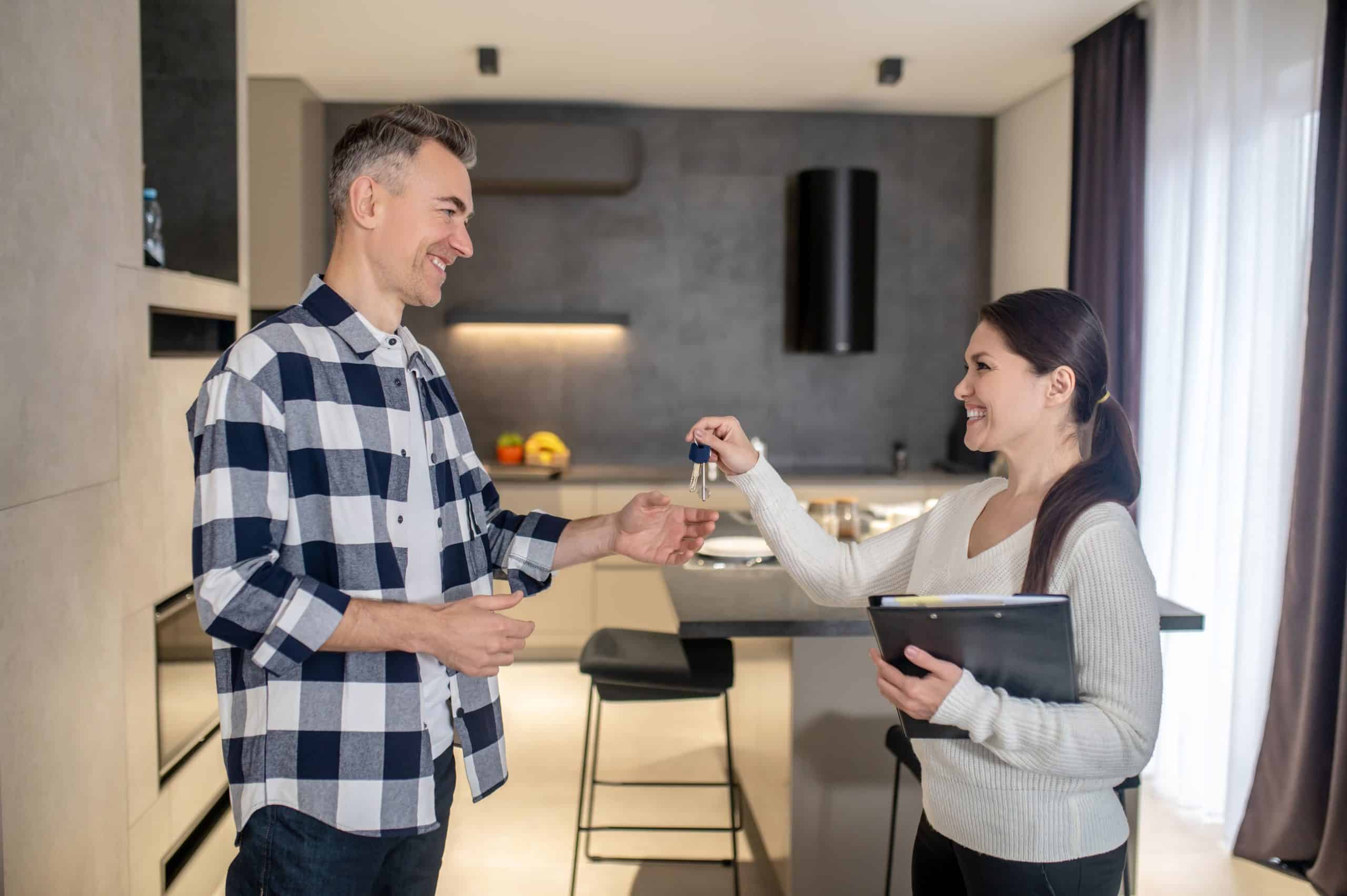

Trust in high-end sales starts long before money changes hands. It starts the moment a client decides whether they believe the person in front of them.
That was the biggest point in my conversation with Lois Greer from Mercedes-Benz.
We joked around, talked faith, talked Texas, talked Vegas, then got right to the real issue: in an expensive purchase, people are not just buying the thing. They are buying the professional, the process, and the confidence behind the advice.
That applies to cars.
It applies to real estate too.
When I talk to buyers and sellers, I see the same pattern every time. People want clear direction. They want someone who knows the product, knows the questions to ask, and knows when to slow the whole thing down.
The product is only part of the sale
High-ticket sales can fool people into thinking the product carries the whole deal. It does not.
A luxury home does not sell itself. A luxury vehicle does not sell itself. A polished brochure does not close nervous buyers.
People buy trust first.
Here is the quick breakdown:
| What the client is judging | What they are really asking |
|---|---|
| Your professionalism | Can I take you seriously? |
| Your product knowledge | Do you know what you are talking about? |
| Your process | Will you guide me step by step? |
| Your confidence | Can I relax and trust your advice? |
| Your questions | Are you trying to fit me or push me? |
That is the real checklist.
A buyer may walk in talking about price, features, location, monthly payment, or resale.
Under that surface, they are judging your tone, your pace, your command of the details, and your ability to make the decision feel clear.
Professionalism starts before your first answer
Professionalism is not just wardrobe. It is discipline.
I talked about my early years in real estate. Back then, I wore a tie all the time. I called people sir, ma’am, Mr., and Mrs.
I wanted every signal possible working in my favor.
That kind of presentation gave me structure. It gave clients a quick reason to take me seriously.
Later, the balance changed.
I stopped wearing ties in Las Vegas. It is hot here. Sports coats and full dress gear get old fast. At a certain point, people knew me. I’d been selling homes successfully for years.
What professionalism looks like in practice
If you are new, then polished habits can help you. They can keep you sharp. They can reduce careless mistakes.
Yet polished habits do not carry a deal once the client starts asking real questions. At that point, only fluency helps.
Professionalism in high-end sales looks like this:
- Show up prepared
- Speak with respect
- Stay calm under pressure
- Know your product cold
- Admit when you need to confirm a detail
- Keep the client’s comfort at the center
That last one matters more than people think.
Clients do not need a surface-level performance.
Product knowledge calms buyers fast
Lois Greer said a salesperson should know at least 80% of the product. That is a strong standard.
She did not pretend that anyone would know every detail of every feature on the spot. Modern luxury cars have a lot going on.
Her standard was stronger than fake certainty. If she does not know the answer, she goes and gets it.
That builds trust.
It is the same in real estate. Buyers and sellers do not expect magic. They expect honesty and competence. They want answers when you have them. They want follow-through when you do not.
A simple decision rule for product expertise
When a client asks a question, your next move should fall into one of three lanes:
- Answer it cleanly if you know the answer.
- Clarify the question if the client is mixing goals, features, or timelines.
- Go get the answer if the detail needs verification.
That sounds basic.
Yet weak salespeople miss this every day. They guess. They talk in circles. They hope confidence can replace knowledge. It cannot.
Better questions create better fit
One of the strongest parts of the segment came from Lois’s sales process.
She described how she starts with fact-finding. She asks what the buyer liked in the old car. What they disliked. Whether they want to lease or purchase. What their lifestyle looks like. What they need the vehicle to do.
That is consultative selling in plain language.
You are not trying to win the argument. You are trying to find the fit.
That maps straight into real estate. I do the same thing with homes.
What did you like about the last place? What drove you crazy? What do you need every day? What can you live without? How long do you plan to stay? Are you buying for today, or for five years from now?
The best example from the conversation
Lois told a story about a woman who came in asking for a popular SUV model. Her friends and family had already made the choice for her.
Yet Lois noticed something right away. The woman was struggling just to get in and out of it. Lois redirected her to a better fit, and the buyer immediately felt the difference.
That is great sales work.
No pressure. No show. No ego. Just observation, fact-finding, and a better recommendation.
There is a real estate lesson sitting right there.
Clients often walk in attached to the wrong answer. Maybe it is a floor plan that does not fit daily life. Maybe it is a price point that creates stress.
Your job is not to nod at the first request and run paperwork. Your job is to guide the person to the option that fits real life.
Experience changes the whole conversation
Experience matters in high-end sales. It changes what you notice, what you ask, and how fast you can get to the truth.
Lois has been in sales for more than 20 years. She had a business in Texas for 11 years. She has a long commission-based track record.
People who live on commission learn fast. You figure it out, or you do not get paid.
That was another strong theme from the segment. Lois said she has never really worked an hourly job. She built a career in settings where relationships and performance decide everything.
That kind of work teaches discipline, resilience, and a very clear lesson: if clients do not trust you, the pipeline dries up.
What experience gives you that scripts never will
Experience gives you pattern recognition.
You spot hesitation faster. You hear the question behind the question. You can tell when someone is repeating advice from friends instead of speaking from personal needs.
You can feel experience in the way seasoned professionals work.
They are not in a rush to impress. They are in a rush to serve the client correctly.
Trust beats stigma in high-ticket sales
Car salespeople, realtors, attorneys. We talked openly about the public stigma around those jobs.
A lot of people walk in half-defensive from the start. They assume they are about to get pushed, tricked, or sold something that fits the commission check better than their own life.
You do not beat that stigma with slogans. You beat it with conduct.
The trust-building formula in this conversation was clear:
- Ask better questions
- Listen for lifestyle clues
- Know the product
- Speak with confidence
- Stay honest when you need to verify
- Recommend fit over popularity
That formula works in a showroom. It works in a listing appointment. It works in any high-ticket setting where the client feels exposed.
And let’s be honest. Big purchases are emotional.
Clients may have the money and still feel tension. They may want quality and still feel guilt. They may want a change and still need permission to make one.
Luxury purchases are emotional, practical, and personal
I said something in the segment that a lot of people quietly think: if you have the money, and you want the nice thing, enjoy it.
You are not taking the money with you. If a better car or a better house improves your day-to-day life, that matters.
That is not reckless advice. That is permission to stop acting like every purchase has to be stripped of emotion.
People buy luxury for different reasons. Status can be part of it. Comfort can be part of it. Safety can be part of it.
Lois made a strong point around safety. In her view, that is one of the top reasons people should consider Mercedes-Benz.
That same idea shows up in real estate all the time. Buyers may talk first about square footage or finish level. Yet peace of mind often sits underneath the whole conversation.
That is why fit matters so much.
A high-end purchase has to work on paper. It has to work in real life too.
What I take from this back into real estate
This conversation was about vehicles on the surface. Underneath it, it was really about how trust gets built in expensive decisions.
My own real estate checklist looks a lot like what Lois described:
My trust checklist for clients
- Start with respect
- Lead with questions
- Listen for the real need
- Match the recommendation to daily life
- Speak clearly about the trade-offs
- Stay steady when the client feels pressure
- Build a relationship that lasts past the transaction
That last point may be the biggest one in the whole piece.
Lois said it plainly: make friends, and friends refer you.
Referral business is what happens when clients feel seen, helped, and matched to the right solution.
In real estate, that kind of trust pays off long after closing day. In any commission business, it is the difference between chasing and compounding.
People remember how you made them feel. They remember whether your advice solved their situation.
FAQs
What is trust in high-end sales?
Trust in high-end sales is the buyer’s belief that the professional knows the product, asks the right questions, and recommends the best fit for the client’s real needs. In expensive purchases, buyers judge the advisor just as much as the item.
Why does product knowledge matter in luxury sales?
Product knowledge lowers anxiety. A buyer feels steadier when the salesperson can explain features, answer objections, and admit when a detail needs verification. That kind of fluency creates confidence fast.
How does consultative selling work in real estate?
Consultative selling in real estate starts with fact-finding. You ask what the client liked in the last home, what did not work, what daily life looks like, what timeline matters, and what trade-offs feel acceptable. Then you recommend options that fit those answers.
What questions should a high-end sales professional ask first?
The first questions should focus on lifestyle, goals, dislikes, budget comfort, and purchase path.
How do you build client confidence during a big purchase?
Client confidence grows when the process feels clear. Respectful communication, strong product fluency, honest follow-through, and recommendations tied to daily life all help. Buyers calm down when they feel guided instead of pushed.
Why does experience matter in commission sales?
Experience sharpens judgment. It helps a salesperson spot hesitation, ask better follow-up questions, and move toward fit faster. In commission-based work, weak trust leads to weak referrals, so experience often shows up in cleaner client handling.
What is the biggest mistake in high-end sales?
The biggest mistake is pushing the popular option before learning the client’s actual needs.
How do referrals grow in luxury real estate?
Referrals grow when clients feel respected and well-guided. A transaction may end, yet the relationship keeps working if you served them properly. That is how trust compounds over time.
Can a conversational style still feel professional?
Yes. A relaxed tone can still feel professional if the advice is clear, respectful, and grounded in real product knowledge.
Key Takeaways
- Trust comes first. In high-end sales, buyers judge the professional before they fully trust the product.
- Presentation helps early. Long-term confidence comes from fluency, not wardrobe.
- Fact-finding beats pushing. Better questions lead to better fit.
- Experience sharpens judgment. Years in commission work train pattern recognition fast.
- Luxury decisions carry emotion. Safety, comfort, pride, and ease all matter.
- Referrals follow trust. Clients send business back when the recommendation fits real life.