
A recent survey found that nearly 16% of homeowners said their biggest regret was that their home was too small. That’s a problem when you’re trying to sell.
But here’s what 30 years of Las Vegas real estate has taught me: It’s not the actual size of a room that creates a sense of space. It’s how your eyes travel through it.
Buyers respond to how a home feels, not just its square footage. Two identical floor plans can feel dramatically different depending on how they’re presented. One feels cramped and cluttered. The other feels open and inviting.
The difference comes down to techniques you can apply without hiring contractors or spending thousands on renovations. These changes work with what you already have.
Here’s how to make your Las Vegas home feel bigger before buyers walk through the door.
The Power of Light
Light is your most powerful tool for expanding perceived space. The eye is drawn to brightness and openness. Dark corners make rooms feel smaller. Bright, well-lit spaces feel larger than their actual dimensions.
Maximize Natural Light
Use curtain rods wider than your windows. Install rods that extend a few inches beyond the window frame on each side. When curtains are open, the entire window is exposed rather than partially covered by bunched fabric.
This simple change accomplishes two things. More natural light enters the room. And your windows appear larger than they actually are. Both effects make the space feel more expansive.
Clean your windows twice a year. Few homeowners do this, but it makes a significant difference. Dirty windows filter and diminish incoming light. Clean windows allow maximum natural sunlight to enter while inviting the eye to travel beyond your home’s boundaries to the outdoors.
That visual connection to exterior space is powerful. When your eye can travel outside, the room feels like it extends beyond its walls.
Place lighting outside your windows. With clean windows, adding light sources outside, whether in the yard, on the deck, or on windowsills, draws the eye outward and creates the visual feeling of more space. Even simple votives in lanterns outside windows at night during showings can create a stunning effect.
In Las Vegas, where outdoor living is practical much of the year, this indoor-outdoor connection resonates with buyers who imagine themselves using the entire property, not just the interior.
Add Interior Light Sources
Use at least three light sources in every room. A single light source creates shadows. Shadows make the eye hesitant to venture into darker areas, so shadowy rooms feel tight and confined. Rooms with multiple light sources feel stimulating and expansive.
Arrange your three lights to form a triangle. Place two on or near one wall, such as on either side of a sofa or bed. Position the third on or near the opposite wall. This distribution eliminates dark corners and bathes the entire room in welcoming light.
Vary the heights of your light sources. One should be low and indirect, like a table lamp. A second could be a standing floor lamp, which is space-efficient and functional. The third could be a pendant or semi-flush ceiling fixture that adds visual depth.
This variety creates visual interest while ensuring light reaches all levels of the room.
Install dimmers on all lights. The ability to adjust light intensity makes rooms more inviting and adaptable. During daytime showings, you might want full brightness. During evening showings, softer light creates warmth and coziness.
Dimmers cost little to install and give you control over how each room feels at different times of day.
Add lighting inside closets. Closets are often the darkest, most cluttered areas of homes. Adding light inside them makes the space feel finished and allows buyers to see the full storage potential rather than peering into darkness.
In older homes, closets rarely had built-in lighting. A simple battery-operated light can make a noticeable difference. Hardwired fixtures are better if you can manage the installation.
Choose the Right Bulbs
Table and floor lamps generally create more appealing light than overhead fixtures alone. Overhead lighting can cast harsh, unflattering shadows on people and furnishings.
Incandescent and LED bulbs produce more appealing tones than fluorescent alternatives. If you’re still using compact fluorescent bulbs, consider switching to LEDs. The light quality is better, and they’re more energy-efficient.
Use lamp shades whenever possible. Indirect light is softer and more flattering than direct light shining into the room.
Strategic Use of Walls and Floors
The surfaces that define your rooms, walls and floors, dramatically affect how spacious those rooms feel.
Wall Strategies
Use mirrors strategically. Mirrors enlarge spaces by making walls seem to dissolve as your eye travels through them. They also multiply light, brightening the entire room.
Hanging a large mirror on a wall facing a window doubles the window’s light contribution. It brightens the space and allows you to enjoy the outdoor view from more than one position in the room. This technique works particularly well in dining rooms with candlelight during evening showings.
Paint walls in light, bright colors. Light colors reflect light and make walls recede visually. Dark colors absorb light and make walls feel closer.
Avoid pure white or stark “photographer’s white,” which can feel cold and sterile. Instead, choose whites with a hint of warmth or color. For trim, a slightly different white in semi-gloss creates subtle contrast. For ceilings, pure white draws the eye upward by providing contrast with the walls.
Use paint as camouflage. Items you’d rather not emphasize, such as radiators, built-in shelves, or awkward architectural features, can visually disappear when painted the same color as the surrounding wall. This reduces visual clutter and makes the wall seem more continuous.
Consider soft natural greens as an alternative to beige. If neutral beiges and tans bore you, subdued shades of green like sage or moss offer an alternative. These colors are as soothing and universally inoffensive as beige, yet they feel fresh and slightly different.
Stick with soft, natural greens. Avoid bright lime or chartreuse, which will narrow your buyer appeal.
Use the same accent paint throughout the house. Paint all baseboards, door frames, and window casings the same color throughout your home. Even if wall colors vary from room to room, consistent trim paint creates a pulled-together, cohesive feel.
Floor Strategies
Consider dark floors with light walls. This might seem counterintuitive, but dark floors make light walls appear brighter by contrast. They create a warm, grounded feeling in a room and seem to recede beneath you as you enter.
Dark-stained hardwood floors have a warm effect. Lighter, blond floors tend to feel colder. The contrast between dark floors and light walls can actually make your walls seem taller.
Feather-sand wood floors rather than full refinishing. Wood floors become scuffed and dull over the years. Full sanding and refinishing costs $400 to $500 per room. Feather-sanding, a light technique that removes minor surface scratches, costs $200 to $300 and makes floors shine without the dust and disruption of complete refinishing.
This is one of the more cost-effective ways to brighten rooms with hardwood floors.
Removing Visual Barriers
The fewer obstacles your eye encounters when scanning a room, the larger that room feels.
Remove Unnecessary Doors
Interior doors that serve no real purpose should be removed. A door between the dining room and living room, for example, interrupts sight lines and makes both rooms feel smaller.
Keep doors for bedrooms and bathrooms where privacy matters. Remove doors elsewhere. The eye will travel without interruption, making spaces feel connected and larger.
Think About Furniture Flow
When you enter a room, you shouldn’t encounter the back of a sofa or the side of a large piece of furniture blocking your path. This configuration stops the flow of traffic and makes rooms feel cramped and uninviting.
Furniture should also never block the view of focal points like fireplaces, bay windows, or built-in bookcases. These features draw the eye and create depth. Blocking them wastes their space-expanding potential.
Decluttering for Space
Clutter is the enemy of perceived space. Most people can get rid of a quarter to half of their belongings and not miss them. What remains should be organized so it enhances rather than diminishes the sense of space.
Create a Landing Strip
Every home benefits from a hospitable entry that conveys calm and order. Without one, daily life items scatter throughout the house, creating visual chaos everywhere.
Your entry “landing strip” should include:
- A doormat for wiping shoes
- A coat hook or tree for outerwear, bags, umbrellas, and keys
- A flat surface where you can set down items and sort mail
- A basket for immediate recycling of unwanted mail
This can be a small table, a narrow bookshelf, or even a wall-mounted shelf if floor space is limited. The point is capturing clutter at the door before it spreads throughout your home.
Plan Your Empty Space
This sounds counterintuitive, but you shouldn’t use every nook and cranny for storage or display. Keeping every surface full means keeping more clutter and eliminating visual breathing room.
Aim to keep at least 10% of your space empty. That means 10% of wall space, door surfaces, tabletops, and shelves should have nothing on them. This empty space gives the eye places to rest and makes rooms feel less crowded.
Consolidate Collections
If you collect something, whether books, plates, figurines, or anything else, bring the entire collection together in one location. Cover an entire wall with shelves if necessary, but keep the collection contained.
A collection housed in a single space feels intentional and special. The same items scattered throughout multiple rooms feel like clutter. One impressive display wall is far better than bits and pieces everywhere.
Use Long, Lean Shelving
A single bookshelf that extends all the way to the ceiling draws the eye upward and creates the illusion of larger space. Tall, narrow shelving takes advantage of vertical space that often goes unused.
Alternatively, long, low console-style shelving uses otherwise wasted space along the bottom of walls, such as beneath windows. This keeps items organized and accessible without cluttering the main visual field.
Organize Closet Interiors
Closets packed with hanging clothes and floor clutter look small and disorganized. Buyers open closets during showings. What they see affects their perception of the entire home’s storage capacity.
Install hanging shelving systems in at least one section of each bedroom closet. A combination of shelves and hanging space is more efficient than all hanging rods. Shelves running from floor to ceiling create organized, accessible storage that impresses buyers.
Furniture Choices and Placement
How you arrange furniture affects perceived space as much as how much furniture you have.
Remove What You Don’t Use
If there’s a chair no one sits in because it’s uncomfortable, get rid of it. If a side table just collects clutter, remove it. Every piece of furniture should serve a purpose. Pieces that don’t earn their space should go.
This sounds harsh, but buyers don’t know what’s missing. They only see what’s there. Less furniture means more open floor space and larger-feeling rooms.
Consider Going Big
It’s a common misconception that small spaces can only handle small furniture. Sometimes the opposite is true.
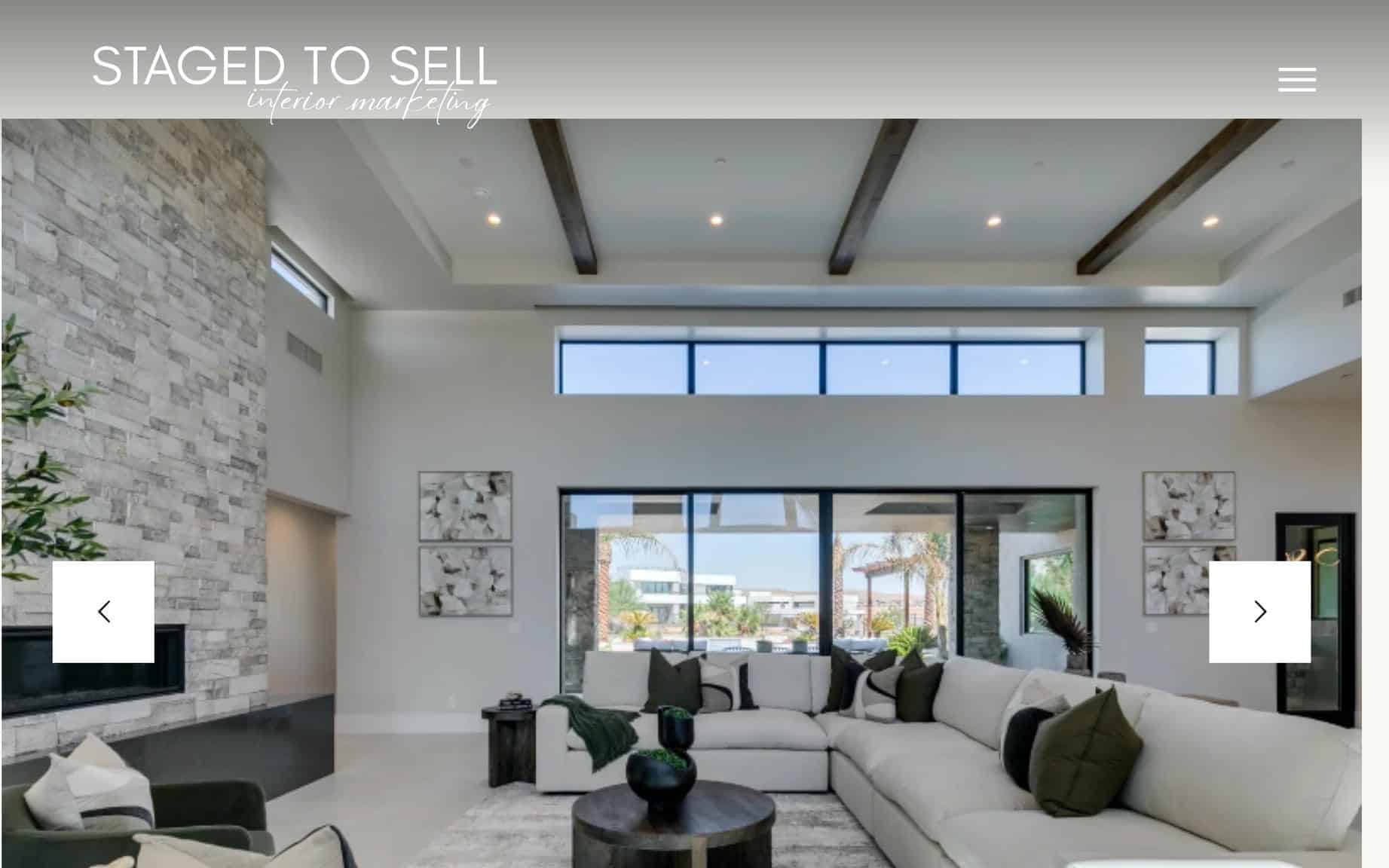
A great sectional sofa that accommodates all seating in one piece can make a small living room feel more gracious than multiple smaller pieces scattered around. The sectional defines space, provides room for stretching out, and accommodates guests without cluttering the room with chairs.
To keep the space feeling open with large seating, choose small nesting tables instead of a big coffee table. They provide surface area when needed and tuck away when not.
Embrace Multi-Functionality
Furniture that serves two or three purposes reduces the total number of pieces you need. Fewer pieces mean more open space.
Consider storage beds with drawers underneath. Dining tables that double as home office desks. Sleeper sofas for guest accommodations. Trunks that serve as coffee tables and storage. Ottomans with interior storage compartments.
The more functions each piece serves, the fewer pieces you need overall.
Look for Legs
Furniture that’s lifted off the floor on visible legs creates visual lightness. You can see beneath it, which allows air and sight lines to flow.
This works particularly well in small spaces. The “negative space” beneath furniture provides the visual illusion of additional room. Sofas, chairs, and even beds on legs feel less heavy than pieces that sit directly on the floor.
Choose Transparent Materials
Glass or acrylic coffee tables and side tables create spaciousness because you can see through them. They provide function without blocking your view of the floor or space beyond.
Wood tables, by contrast, are solid visual barriers. They’re not wrong, but in tight spaces, transparent alternatives help.
Keep Seating Within Conversation Distance
When all furniture is pushed against the walls, people seated on opposite sides of a room can be 15 or 20 feet apart. That’s too far for comfortable conversation. It also makes the room feel like an empty space with furniture around the edges rather than a functional living area.
Pull seating away from walls so that seats in a grouping are no more than eight feet apart. Even if this means furniture isn’t against a wall, the room will feel more intimate and purposeful.
Group Furniture Around Focal Points
Most living rooms have a focal point: a fireplace, a large window with a view, or a built-in bookcase. Arrange your furniture to face and frame that focal point.
This creates purpose and direction in the room. The eye knows where to go. The space feels organized and intentional rather than random.
Consider turning a small sofa at an angle to cut off a corner. Place an uplight in the triangle behind the sofa to eliminate any dark corner. Angled furniture and creative lighting can make awkward rooms feel more dynamic.
Quick Staging Wins
A few additional techniques from professional home stagers can help your home show larger.
Re-caulk tubs and sinks. Moldy or stained caulk makes bathrooms appear dingy and poorly maintained. Scrubbing won’t fix discolored caulk. Replace it with fresh, mildew-proof caulk. A six-ounce tube costs less than $5, and the improvement is immediate.
Use decorative boxes for remaining clutter. Not everything can be eliminated. Decorative boxes in plastic, canvas, or rattan can corral what remains. Position them wherever clutter tends to accumulate, and cleanup becomes simple. Toss items in the box, and surfaces stay clear.
Bring greenery inside. Leafy branches and plants brought in from outside add a refreshing natural feel and create flow between interior and exterior. Cut tall branches and stand them in attractive containers in corners. Add an uplight behind them for drama.
Skip the rugs at your own peril. Rugs add color and texture, but more importantly, they dampen sound. How a space sounds affects how it feels. Rooms with rugs feel cozy and comfortable. Rooms without them can seem harsh and cold.
Rugs should be nearly as large as the rooms they’re in. In a living room, a rug is acceptable if the front legs of seating are on it, even if the back legs are not.
Add window treatments even if you want maximum light. Rooms without any curtains or shades feel unfinished. The uncovered rectangular window frames look hard and harsh.
If you want to preserve natural light, install sheer curtains or shades. Sheer fabric filters sunlight rather than blocking it, giving the light a soft, appealing quality while finishing the room visually.
The Las Vegas Advantage
Las Vegas homes have a natural advantage when it comes to feeling spacious: Our outdoor spaces are usable most of the year.
Creating visual and functional flow between indoor and outdoor areas extends your living space without adding square footage. Clean windows that let you see the backyard, outdoor lighting that draws the eye outside, and comfortable patio furniture that suggests outdoor living all make your home feel larger than its interior dimensions suggest.
When buyers can imagine using the patio, the yard, and the covered areas as extensions of the home, they’re mentally adding that space to what they’re buying.
Frequently Asked Questions
How can I make my small house feel bigger without renovating?
Focus on light, decluttering, and furniture arrangement. Maximize natural light through clean windows and wide curtain rods. Use at least three light sources per room. Remove unnecessary furniture and doors. Keep 10% of surfaces empty. Choose furniture with visible legs and transparent materials. Paint walls light colors.
Does paint color affect how big a room feels?
Yes. Light, bright colors make rooms feel larger by reflecting light and making walls recede visually. Dark colors absorb light and make walls feel closer. Choose warm whites rather than stark white. Use consistent trim colors throughout for a cohesive feel.
Do mirrors really make rooms look bigger?
Mirrors enlarge perceived space by making walls seem to dissolve. They also multiply light sources. Hanging a large mirror facing a window doubles the light contribution and extends the view. This technique is especially effective in dining rooms and entryways.
What furniture arrangement makes rooms feel larger?
Group furniture around focal points rather than pushing everything against walls. Keep seating within eight feet for conversation. Choose fewer, multi-functional pieces rather than many small ones. Select furniture with visible legs and consider glass or acrylic tables that don’t block sight lines.
Should I remove furniture before selling my home?
Remove any furniture that doesn’t serve a clear purpose. Unused chairs, extra side tables, and redundant pieces create clutter and shrink perceived space. Buyers don’t miss what’s not there. They only see the open space that remains.
How does lighting affect how big a room feels?
Rooms with insufficient lighting have shadows that make spaces feel smaller and less inviting. Using at least three light sources arranged in a triangle eliminates dark corners and makes rooms feel expansive. Vary light heights and use dimmers for flexibility.
What’s the best way to declutter before selling?
Create a landing strip at your entry to capture daily clutter. Keep 10% of all surfaces empty for visual breathing room. Consolidate collections in single locations rather than spreading items throughout the house. Use decorative boxes to corral remaining items.
Do rugs make rooms feel bigger or smaller?
Properly sized rugs make rooms feel larger and more comfortable. They add warmth and dampen sound, which affects how spaces feel. Rugs should be nearly as large as the room, or at minimum, large enough that the front legs of seating rest on them.
Should I remove interior doors to make my home feel bigger?
Remove interior doors that serve no privacy function, such as doors between living and dining areas. This allows the eye to travel without interruption and makes connected spaces feel larger. Keep doors for bedrooms and bathrooms.
How do I make a small bathroom feel bigger?
Clean windows and add multiple light sources. Use large-format tiles (18×18) on floors. Choose a vanity with storage rather than a pedestal sink. Hang a large mirror. Keep surfaces clear. Add above-toilet storage to reduce counter clutter. Use light, neutral paint colors.
Key Takeaways
- Light is your most powerful tool for expanding perceived space, so maximize natural light and use at least three light sources per room
- Clean windows twice yearly and use curtain rods wider than window frames to maximize brightness and apparent window size
- Mirrors facing windows double light contribution and make walls seem to dissolve
- Light wall colors with warm whites make spaces feel larger while dark colors make them feel smaller
- Dark floors with light walls create grounding contrast that can make walls seem taller
- Remove furniture that doesn’t serve clear purposes since buyers only see the open space that remains
- Keep at least 10% of all surfaces empty for visual breathing room
- Group furniture around focal points within eight feet for conversation rather than pushing everything against walls
- Furniture with visible legs and transparent tables allow sight lines to flow
- Las Vegas homes benefit from visual flow to outdoor spaces that extend perceived living area