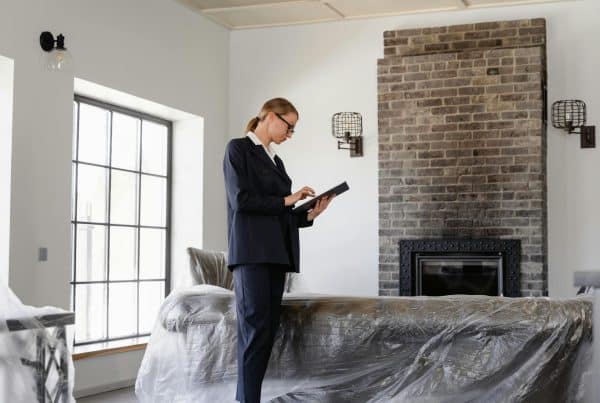

Professional home stagers charge thousands of dollars to prepare homes for sale. They know techniques that transform how buyers perceive spaces, and those techniques aren’t complicated or expensive.
After 30 years selling Las Vegas homes, I’ve watched stagers work their craft. The changes they make are often small. A furniture grouping shifted. A light added in a corner. Paint applied strategically. But the cumulative effect transforms buyer response.
You don’t need to hire a professional stager to benefit from their knowledge. Here are the staging techniques that make the biggest difference when selling your home.
Paint Strategies That Work
Paint is the most cost-effective tool for transforming spaces. Professional stagers know exactly how to use it.
Beyond Beige
Beige has been the default neutral for decades. It’s safe. It’s inoffensive. It’s also boring.
Soft sage green offers an alternative that’s equally neutral but feels fresher. Subdued natural greens are as soothing and universally acceptable as beige, but they suggest a home that’s been thoughtfully updated rather than generically neutralized.
Stick with soft, muted tones. Sage, moss, or seafoam work well. Avoid bright greens like lime or chartreuse, which narrow your buyer appeal significantly.
If green feels too risky, warm whites provide another path beyond beige. Choose whites with a hint of warmth rather than stark, cold whites. The subtle warmth makes spaces feel inviting while maintaining complete neutrality.
The Power of Consistent Trim
Here’s a technique stagers use that homeowners often overlook: Paint all trim throughout the house the same color.
Baseboards, door frames, window casings, crown molding. Every piece of trim in every room should match. Even if wall colors vary from room to room, consistent trim creates a pulled-together, cohesive feel that buyers sense even if they can’t articulate it.
A soft, warm white works well for trim. Semi-gloss sheen provides subtle contrast with flat wall paint and cleans easily.
This consistency signals intentional design. Mismatched trim colors, especially when previous owners painted rooms at different times with different trim paints, creates visual chaos that makes homes feel neglected.
Ceiling Strategy
Ceilings should be pure white or very close to it. The contrast between white ceilings and slightly warmer wall colors draws the eye upward and makes rooms feel taller.
Flat paint works best on ceilings because it hides imperfections better than shinier finishes. The light bounces off white ceilings and brightens the entire room.
If your ceilings have yellowed over time or carry old paint colors, repainting them white is one of the highest-impact, lowest-cost improvements you can make.
Furniture Arrangement Secrets
How furniture is arranged affects perceived space more than the furniture itself. Professional stagers move things around constantly until the room feels right.
Group Around Focal Points
Most rooms have a natural focal point. A fireplace. A large window with a view. A built-in bookcase. An architectural feature.
Arrange furniture to face and frame that focal point. The seating should direct attention toward it. This creates purpose and visual flow in the room.
When furniture is scattered without relationship to a focal point, rooms feel random and disorganized. When furniture creates a clear relationship with the room’s best feature, spaces feel intentional and inviting.
The Angled Sofa Trick
Small rooms with awkward corners challenge most homeowners. Professional stagers often solve this with an angled sofa.
Turn a small sofa at an angle to cut off a corner. The sofa creates a cozy, defined seating area while the corner behind it becomes hidden space.
Add an uplight in the triangle behind the angled sofa. The light bouncing up from behind the furniture eliminates any sense of a dark, wasted corner. Instead, the arrangement feels intentional and sophisticated.
This technique works particularly well in living rooms where the corner would otherwise feel dead or awkward.
Shrink Your Furniture
Less furniture makes rooms feel larger. Professional stagers routinely remove pieces that homeowners consider essential.
Take the leaf out of your dining table. Remove two chairs. The smaller table makes the dining room feel more spacious.
Replace a full-size sofa with a loveseat if the room is tight. The floor space you gain changes how buyers perceive the room’s size.
Remove side tables, extra chairs, and any furniture that creates obstacles to walking through the space. Every piece that remains should earn its place.
Buyers don’t miss furniture that isn’t there. They only experience the openness that remains.
The Entry Test
When someone enters a room, they shouldn’t encounter the back of a sofa or the side of a large furniture piece. This configuration stops traffic flow and makes rooms feel cramped and uninviting.
Walk through your home as if you’re a buyer seeing it for the first time. At each room entry, notice what you face. If it’s the back of furniture, rearrange until you’re welcomed into the space rather than blocked.
Similarly, furniture should never block the view of focal points. If your fireplace is behind a tall bookcase or your best window is blocked by a large chair, you’re wasting the room’s assets.
Conversation Distance
When all furniture is pushed against walls, people seated across from each other might be 15 or 20 feet apart. That’s too far for comfortable conversation.
Pull seating toward the center of the room so that seats in a grouping are no more than eight feet apart. This might feel strange if you’re used to furniture against walls, but the room will feel more intimate and functional.
Buyers imagine themselves living in your home. Furniture arranged for actual conversation helps them picture real life in the space.
Floor Refinishing Shortcuts
Hardwood floors add significant value to homes, but worn floors detract from that value. Professional stagers know a refinishing shortcut that saves time and money.
Feather-Sanding
Full sanding and refinishing of hardwood floors costs $400 to $500 per room. The process creates dust, requires multiple days, and involves strong-smelling finishes.
Feather-sanding is a lighter approach. It removes surface scratches and scuffs without grinding down to bare wood. The technique costs $200 to $300 per room and creates far less disruption.
Feather-sanding works well for floors that have lost their shine but don’t have deep damage. The process restores luster and makes the room feel refreshed without the expense and hassle of complete refinishing.
If your hardwood floors look tired but aren’t severely damaged, ask a flooring professional about feather-sanding before committing to full refinishing.
Lighting Techniques
Professional stagers obsess over lighting. They know that how a room is lit affects everything else about how it feels.
The Triangle Rule
Every room needs at least three light sources arranged in a triangle pattern. Two sources on or near one wall. A third on or near the opposite wall.
This arrangement eliminates dark corners and distributes light evenly throughout the space. Rooms feel larger, more welcoming, and more finished.
Single overhead fixtures, which many rooms rely on exclusively, create harsh shadows and leave corners dark. Adding table lamps, floor lamps, or sconces transforms the feeling entirely.
Vary Your Heights
Your three light sources should be at different heights. One low, like a table lamp. One at standing height, like a floor lamp. One higher, like a semi-flush ceiling fixture or high wall sconce.
This vertical variety creates visual interest and ensures light reaches all levels of the room. Low light alone feels dim. High light alone feels harsh. The combination feels balanced and inviting.
The Uplight Trick
Uplights are floor-level fixtures that direct light upward. Professional stagers use them constantly.
An uplight in a corner bounces light off the ceiling and eliminates what would otherwise be a dark, dead space. The corner feels finished rather than forgotten.
Uplights work particularly well behind furniture angled into corners, behind tall plants or branches, and in any corner that tends toward darkness.
Basic uplights cost $20 to $40 at home improvement stores. For the impact they create, they’re among the best staging investments available.
Closet and Cabinet Lighting
Dark closets feel small and uninviting. Buyers open closet doors during showings, and what they see affects their perception of the entire home’s storage.
Adding lighting inside closets makes them feel larger and more functional. Buyers can actually see what’s there rather than peering into darkness.
Battery-operated lights require no electrical work and cost under $20. Hardwired fixtures look more finished but require installation. Either option dramatically improves how closets present.
The same principle applies to under-cabinet lighting in kitchens, interior cabinet lighting in china hutches, and any other dark storage space buyers might explore.
The Art of Decluttering
Every professional stager starts by removing things. Most homes contain far more objects than they should for optimal showing.
The 10% Rule
Aim to keep at least 10% of every surface empty. Walls, shelves, countertops, tables. Some empty space should exist everywhere.
This breathing room gives the eye places to rest. It makes spaces feel curated rather than cluttered. It suggests that the home has room for a buyer’s own belongings.
Walk through your home and count objects on each surface. Then remove at least 10% of them. The improvement will be immediately visible.
Collections In One Place
If you collect something, whether books, plates, figurines, or anything else, consolidate the entire collection in one location.
A collection displayed together on a dedicated wall or in a dedicated cabinet feels intentional and impressive. The same items scattered throughout multiple rooms feels like clutter.
One impressive display beats many scattered items every time.
Strategic Hiding
Not everything can be eliminated. Life requires certain objects. Professional stagers use decorative boxes, baskets, and containers to corral what remains.
Attractive boxes in fabric, plastic, rattan, or leather can hold remote controls, charging cables, mail, and other daily necessities. Position them where clutter tends to accumulate, and maintaining clean surfaces becomes simple.
During showings, simply toss items into the boxes. Surfaces stay clear. The home presents well.
Counter Warfare
Kitchen and bathroom counters attract clutter like magnets. Professional stagers clear them ruthlessly.
In kitchens, remove everything except perhaps one or two attractive items. The stand mixer you use daily goes in a cabinet. The knife block goes in a drawer. The fruit bowl might stay if it’s attractive and full.
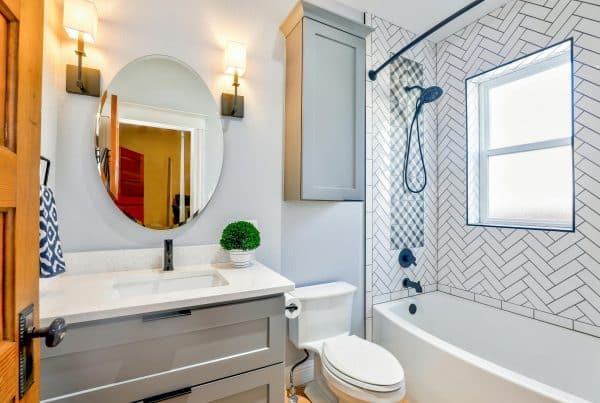
In bathrooms, remove all toiletries from counter surfaces. Store them in cabinets or drawers. The only items on bathroom counters should be attractive accessories like a soap dispenser or small plant.
Empty counters make kitchens and bathrooms feel larger and cleaner. They suggest that the home has adequate storage for daily life.
Bringing the Outdoors In
Professional stagers often bring greenery from outside to create freshness and visual interest inside.
Branches and Cuttings
Tall branches cut from your yard and placed in attractive containers add height, life, and natural texture to rooms. Position them in corners with an uplight behind them for dramatic effect.
Leafy branches work well in spring and summer. Bare branches with interesting shapes work in winter. The specific plant matters less than the height and visual interest.
This technique is essentially free if you have suitable plants in your yard. It creates a refreshing natural feel and suggests connection between indoor and outdoor spaces.
Strategic Plant Placement
Live plants in attractive containers add life to rooms. But placement matters.
Position plants where they won’t obstruct traffic or sight lines. Corners work well. Spots beside furniture groupings work well. Locations that would otherwise feel empty or forgotten benefit most.
Avoid overcrowding rooms with plants. One or two well-placed specimens beats a jungle that makes the space feel smaller.
Indoor-Outdoor Flow
In Las Vegas, where outdoor living is practical most of the year, emphasizing the connection between indoor and outdoor spaces appeals to buyers.
Clean windows so the yard is clearly visible from inside. Arrange furniture to face outdoor views when possible. Add outdoor lighting that’s visible through windows during evening showings.
Buyers who sense easy flow between inside and outside imagine using the full property, not just the interior. That expands their perception of what they’re buying.
Quick Bathroom Fixes
Bathrooms require special attention because buyers judge them harshly. Professional stagers have specific techniques for bathroom preparation.
The Caulk Test
Look at the caulk around your tubs, showers, and sinks. If it’s discolored, stained, or showing any mold, it makes the entire bathroom look dingy and poorly maintained.
Scrubbing won’t fix discolored caulk. The staining has penetrated the material.
Remove the old caulk completely and apply fresh mildew-proof caulk. A six-ounce tube costs less than $5. The improvement is immediate and dramatic.
Check caulk throughout your home before listing. Any stained or moldy caulk should be replaced. This small fix removes a common negative impression.
Towel Presentation
Bathrooms with towels thrown over bars look messy. Bathrooms with neatly folded or rolled towels look finished.
For showings, display fresh, matching towels folded or rolled neatly. Consider adding a small basket of rolled washcloths as an accent. The hotel-like presentation suggests quality and care.
Store daily-use towels elsewhere during the selling period. What buyers see in the bathroom should look styled, not lived-in.
Mirror Magic
Large mirrors make bathrooms feel bigger by multiplying light and creating visual depth.
If your bathroom has a small or dated mirror, replacing it with a larger one is an inexpensive upgrade with significant impact. Frameless mirrors in contemporary bathrooms or framed mirrors that match the vanity style both work well.
Position bathroom mirrors to reflect light from windows or fixtures. The reflected light brightens the space and enhances the feeling of openness.
Creative Touches
Professional stagers sometimes add unexpected elements that make homes memorable.
Unconventional Curtain Rods
Standard curtain rods work fine, but creative alternatives can add character to specific rooms.
In a child’s room, sports equipment like baseball bats or hockey sticks can serve as curtain rods. In dens or bedrooms, copper pipes create an industrial accent. These touches make rooms memorable without requiring significant investment.
This technique works best in casual spaces like bedrooms, dens, and playrooms. Keep formal spaces like living rooms more traditional.
The Welcome Home Station
Every home benefits from an organized entry area. Professional stagers create what they call a “landing strip” near the front door.
This station should include a doormat, hooks for coats and bags, a flat surface for setting items down, and possibly a basket for mail sorting. The specific furniture matters less than the function.
A well-organized entry suggests that daily life in this home is manageable and pleasant. It also captures clutter at the door before it spreads through the house.
Room-Specific Strategies
Different rooms benefit from different staging approaches.
Living Rooms
Create a clear focal point and arrange seating around it. Use at least three light sources at varying heights. Remove excess furniture to maximize floor space. Add one or two plants for life and color. Ensure window treatments allow maximum natural light.
Dining Rooms
Remove extra leaves from tables and reduce chair count. Set the table attractively with simple place settings. Add a centerpiece that’s low enough to see over. Ensure lighting highlights the table without harsh glare.
Bedrooms
Use hotel-style bedding with crisp white linens and decorative pillows. Clear nightstands of everything except a lamp and perhaps one book. Remove excess furniture to make the room feel larger. Add soft lighting with table lamps rather than relying on overhead fixtures.
Home Offices
Clear the desk of clutter and papers. Display just a laptop, lamp, and one or two accessories. Organize bookshelves so they look curated, not overstuffed. Ensure adequate task lighting. Hide cables and cords.
The Final Walk-Through
Before every showing, professional stagers do a final walk-through. You should too.
Check lighting. Turn on every light in the house. Open all blinds and curtains. The home should feel bright and welcoming.
Check temperatures. The home should be comfortable, not too hot or too cold. In Las Vegas summers, run the AC before showings so buyers walk into refreshing coolness.
Check scents. The home should smell fresh and neutral. Avoid strong air fresheners, which can seem like they’re covering problems. Open windows briefly before showings when weather permits.
Check surfaces. Do a quick scan of all counters, tables, and floors. Remove any clutter that accumulated. Wipe any surfaces that need it.
Check bathrooms. Ensure towels are neat, toilet lids are down, and no toiletries are visible on counters.
Check beds. Straighten bedspreads and fluff pillows. Bedrooms should look hotel-ready.
This five-minute routine before each showing ensures buyers see your home at its best.
Frequently Asked Questions
What is home staging and is it worth it?
Home staging is preparing a home for sale by optimizing furniture arrangement, lighting, decluttering, and visual presentation. Professional staging costs thousands but can speed sales and increase offers. Many staging techniques can be applied by homeowners without professional help.
What paint colors are best for selling a house?
Light, neutral colors work best. Warm whites, soft grays, and subdued natural greens like sage appeal broadly without feeling cold or generic. Use consistent trim colors throughout the house for a cohesive feel. Keep ceilings pure white to maximize brightness.
How do I make my home look staged?
Focus on five areas: declutter ruthlessly, arrange furniture around focal points, maximize lighting with three sources per room, clear all countertops, and ensure consistent paint and trim colors throughout. These techniques form the core of professional staging.
Should I remove all personal items when selling?
Remove most personal items, especially family photos and highly personal decor. Buyers need to imagine themselves in the space, which becomes difficult when surrounded by your family memories. Keep some tasteful personal touches to avoid a sterile feel.
What are the most important rooms to stage?
Living rooms, kitchens, and master bedrooms have the most impact on buyers. Focus staging effort on these spaces first. Bathrooms should be clean and decluttered. Other rooms can receive lighter attention.
Does decluttering really help sell a home?
Yes. Clutter makes spaces feel smaller and suggests insufficient storage. Removing 25-50% of belongings helps buyers see the home’s actual space and storage potential. Keep at least 10% of all surfaces empty for visual breathing room.
How should I arrange furniture for home staging?
Group furniture around focal points like fireplaces or windows. Keep seating within eight feet for conversation. Remove excess pieces to maximize floor space. Never block room entries with furniture backs. Pull furniture away from walls in larger rooms.
What lighting makes homes show best?
Use at least three light sources per room at varying heights. Maximize natural light through clean windows and open treatments. Add uplights in dark corners. Install lighting in closets. Use warm-toned LED bulbs rather than harsh fluorescents.
Should I replace caulk before selling?
Replace any discolored, stained, or moldy caulk in bathrooms and kitchens. This small fix costs under $5 per tube but removes a common negative impression. Fresh caulk makes these spaces look cleaner and better maintained.
What’s the fastest way to prepare my home for showing?
Do a quick walk-through covering: lights on and blinds open, comfortable temperature, neutral scent, clear countertops, neat towels, and made beds. This five-minute routine before each showing ensures buyers see your home at its best.
Key Takeaways
- Soft sage green offers a fresh alternative to beige while remaining universally appealing to buyers
- Consistent trim paint color throughout the house creates a cohesive, intentional feel
- Arrange furniture around focal points with seating no more than eight feet apart for conversation
- Use at least three light sources per room at varying heights to eliminate dark corners
- Feather-sanding hardwood floors costs $200-$300 versus $400-$500 for full refinishing with similar results
- Keep at least 10% of all surfaces empty for visual breathing room
- Consolidate collections in one impressive location rather than scattering items throughout the home
- Replace any discolored caulk in bathrooms and kitchens for an instant freshness boost
- Clear countertops completely except for one or two attractive items
- Do a five-minute walk-through before every showing to check lighting, temperature, scents, and surfaces